The Great Data Debate
As the data industry explodes, two job titles are often used interchangeably by recruiters and beginners: Data Analyst and Data Scientist. While they share similarities, they are distinct career paths with different tools, responsibilities, and salary brackets.
What is Data Analytics?
Data Analytics focuses on answering "What happened and why?" Analysts look at historical data to identify trends, create reports, and build dashboards that help businesses make immediate decisions. They are the bridge between raw data and business strategy.
Core Tools: Excel, SQL, Power BI, Tableau.
What is Data Science?
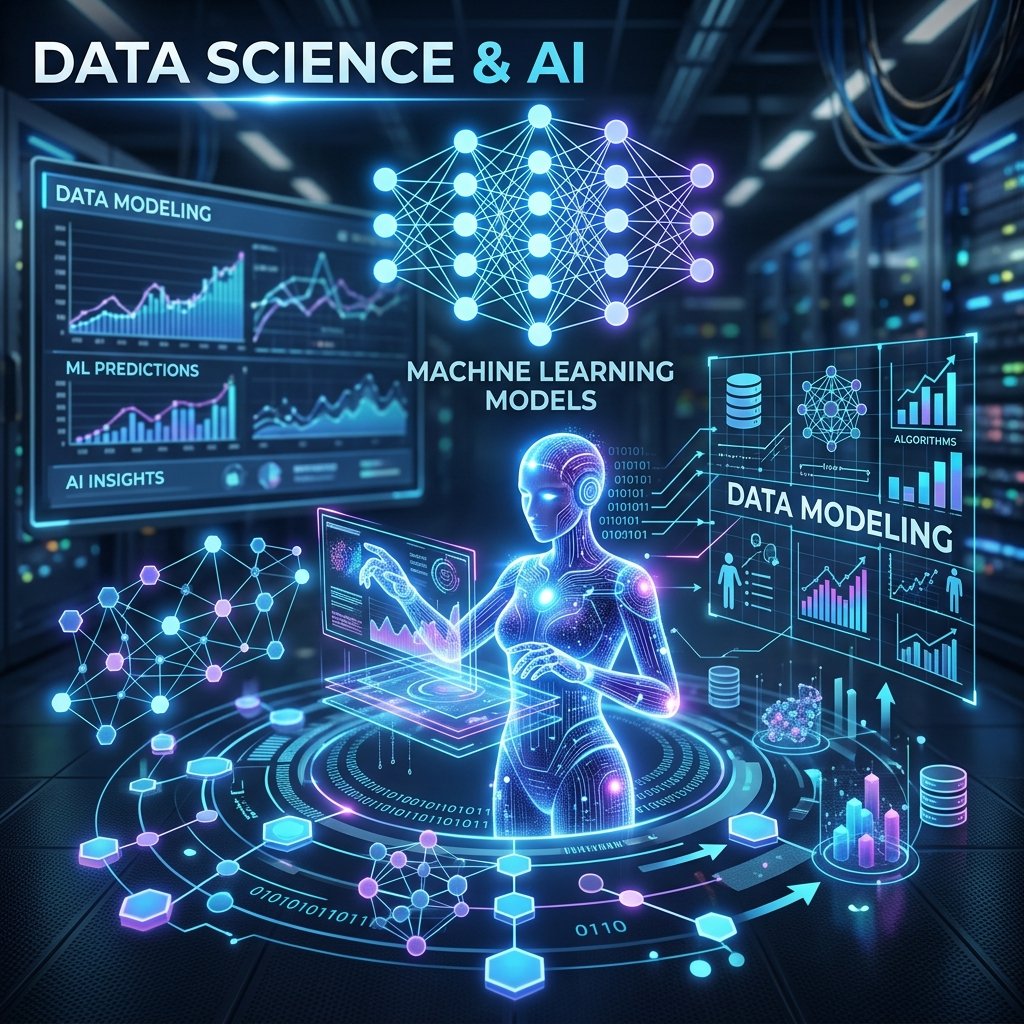
Data Science focuses on answering "What will happen next?" Data Scientists use advanced programming and statistical modeling to predict future outcomes. They build machine learning algorithms, artificial intelligence models, and recommendation systems.
Core Tools: Python, R, TensorFlow, Hadoop, Spark.
Which Path Should You Choose?
Choosing between the two depends entirely on your background and interests:
- Choose Data Analytics if: You enjoy business strategy, visual storytelling, and working closely with stakeholders. You prefer logic and problem-solving over heavy coding. It is also the perfect entry point into the data world.
- Choose Data Science if: You have a strong background in mathematics, statistics, or computer science. You enjoy writing complex code, building algorithms, and tackling abstract, open-ended problems.
Salary Expectations
Generally, Data Scientists command higher salaries due to the advanced technical skills required (often requiring a Master's degree or Ph.D.). However, Senior Data Analysts and Business Intelligence Developers can easily earn six-figure salaries as they become indispensable to business operations.
Whichever path you choose, the data industry offers incredible job security, remote work opportunities, and constant intellectual stimulation.